
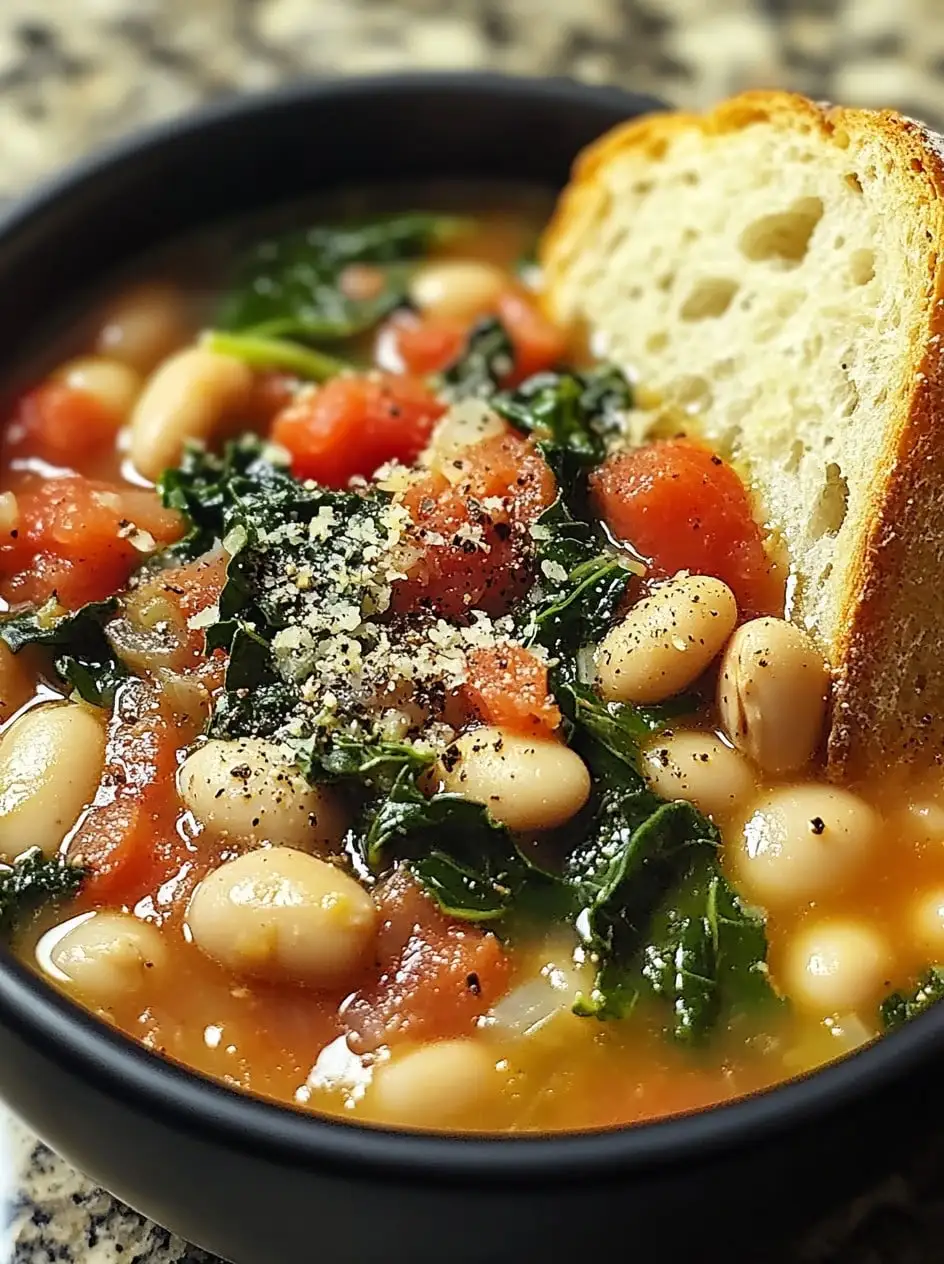
Introduction to Mediterranean White Beans and Greens
The Mediterranean diet is celebrated worldwide for its emphasis on plant-based dishes that are both flavorful and nutritious. Among these, Mediterranean White Beans and Greens stands out as a comforting and versatile meal. This dish combines tender white beans with leafy greens, infused with aromatic herbs, making it a staple in Mediterranean cuisine. Its simplicity and depth of flavor have made it a favorite among those seeking wholesome meals.
What makes Mediterranean White Beans and Greens so appealing is its balance of nourishment and comfort. It’s the kind of meal you can whip up on a busy weeknight, yet still feel like you’re treating yourself to something special. With just a handful of pantry staples like canned beans, olive oil, garlic, and tomatoes you can create a dish that’s rich in flavor and satisfying in every bite.
This recipe also highlights the heart of Mediterranean cooking: using fresh, seasonal ingredients and letting them shine. Leafy greens like escarole, spinach, or kale bring a gentle bitterness that pairs beautifully with the creamy texture of the beans. Add in a touch of red pepper flakes, dried herbs like oregano and basil, and you’ve got a bowl of goodness that’s perfect for cozy dinners, meal prepping, or even entertaining friends who appreciate a good rustic dish.
Historical and Cultural Context
Bean and greens dishes have deep roots in Mediterranean culinary traditions. In Greece, Fasolada is a classic soup featuring white beans and vegetables, often hailed as the country’s national dish. It’s typically made with ingredients like carrots, celery, onion, and a generous drizzle of olive oil simple yet deeply satisfying. Italy offers Fagioli e Verdure, a hearty combination of beans and seasonal greens, reflecting the Italian emphasis on simple, rustic cooking. These dishes highlight the Mediterranean’s reliance on legumes and greens, showcasing regional variations that have been passed down through generations.
Across the Mediterranean basin, this combination is more than just food it’s a reflection of cultural values: frugality, health, and hospitality. In Spain, bean stews often include regional greens and are served in communal bowls to share among family. In Turkey and Lebanon, white beans are simmered with spices, greens, and tomatoes, forming dishes that vary by household but always bring people together.
These recipes aren’t just about sustenance they’re about tradition. They represent how different communities have creatively used local, affordable ingredients to create meals that nourish the body and soul. Whether prepared as a stew, sauté, or baked dish, Mediterranean White Beans and Greens continue to be a testament to timeless, heritage-rich cooking.
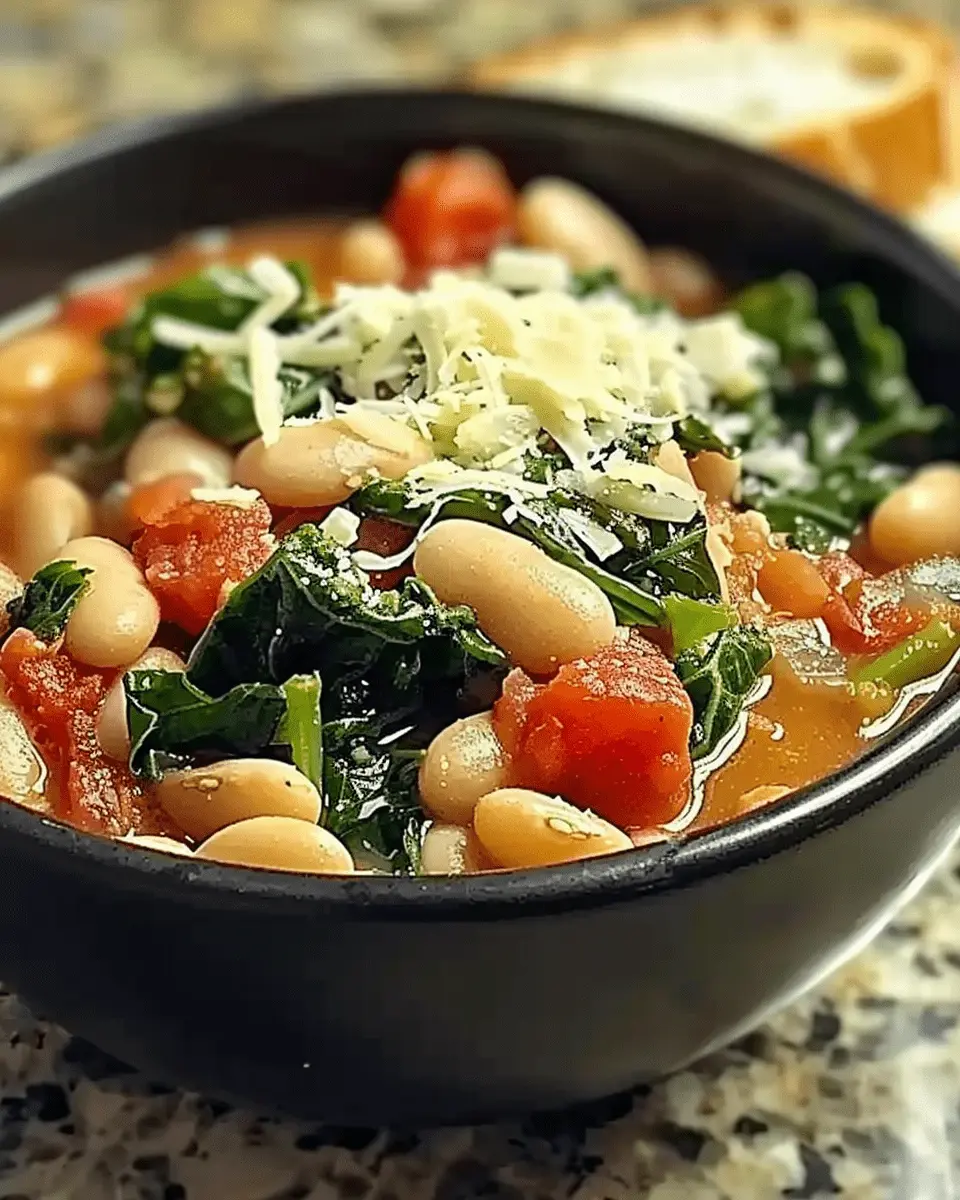
Nutritional Profile of Key Ingredients
White Beans
White beans, such as cannellini, are nutritional powerhouses:
-
Protein: Approximately 17 grams per cup, supporting muscle health and repair .
-
Fiber: High fiber content aids digestion and promotes satiety, beneficial for weight management.
-
Minerals: Rich in iron, magnesium, and potassium, essential for various bodily functions.
Leafy Greens
Leafy greens like escarole, spinach, or kale offer numerous health benefits:
-
Vitamins: Abundant in vitamins A, C, and K, supporting vision, immunity, and bone health.
-
Antioxidants: Help combat oxidative stress, reducing the risk of chronic diseases.
-
Low Calories: Nutrient-dense yet low in calories, making them ideal for weight management.
Health Benefits of Mediterranean White Beans and Greens
Combining white beans and leafy greens results in a dish with multiple health advantages:
-
Heart Health: The fiber and antioxidants contribute to lower cholesterol levels and improved cardiovascular function.
-
Blood Sugar Control: Complex carbohydrates and fiber help stabilize blood sugar levels, beneficial for diabetes management.
-
Digestive Health: High fiber content promotes a healthy digestive system and regular bowel movements.
Ingredients and Substitutions of Mediterranean White Beans and Greens
Core Ingredients
-
Olive Oil: 2 tablespoons
-
Garlic: 3 cloves, minced
-
Onion: 1 small, diced
-
Red Pepper Flakes: ½ teaspoon (optional)
-
Diced Tomatoes: 1 can (14 oz)
-
Dried Oregano and Basil: ½ teaspoon each
-
Salt and Black Pepper: ½ teaspoon and ¼ teaspoon respectively
-
Cannellini Beans: 2 cans (15 oz), rinsed
-
Escarole: 1 small head, chopped (substitute: spinach or kale)
-
Vegetable Broth or Water: ¼ cup
-
Parmigiano Reggiano: Grated, for topping
-
Crusty Bread or Ditalini Pasta: Optional, for serving
Substitutions and Variations
-
Greens: Swiss chard or collard greens can replace escarole.
-
Beans: Great Northern or navy beans can substitute for cannellini.
-
Vegan Option: Nutritional yeast can replace cheese for a dairy-free alternative.
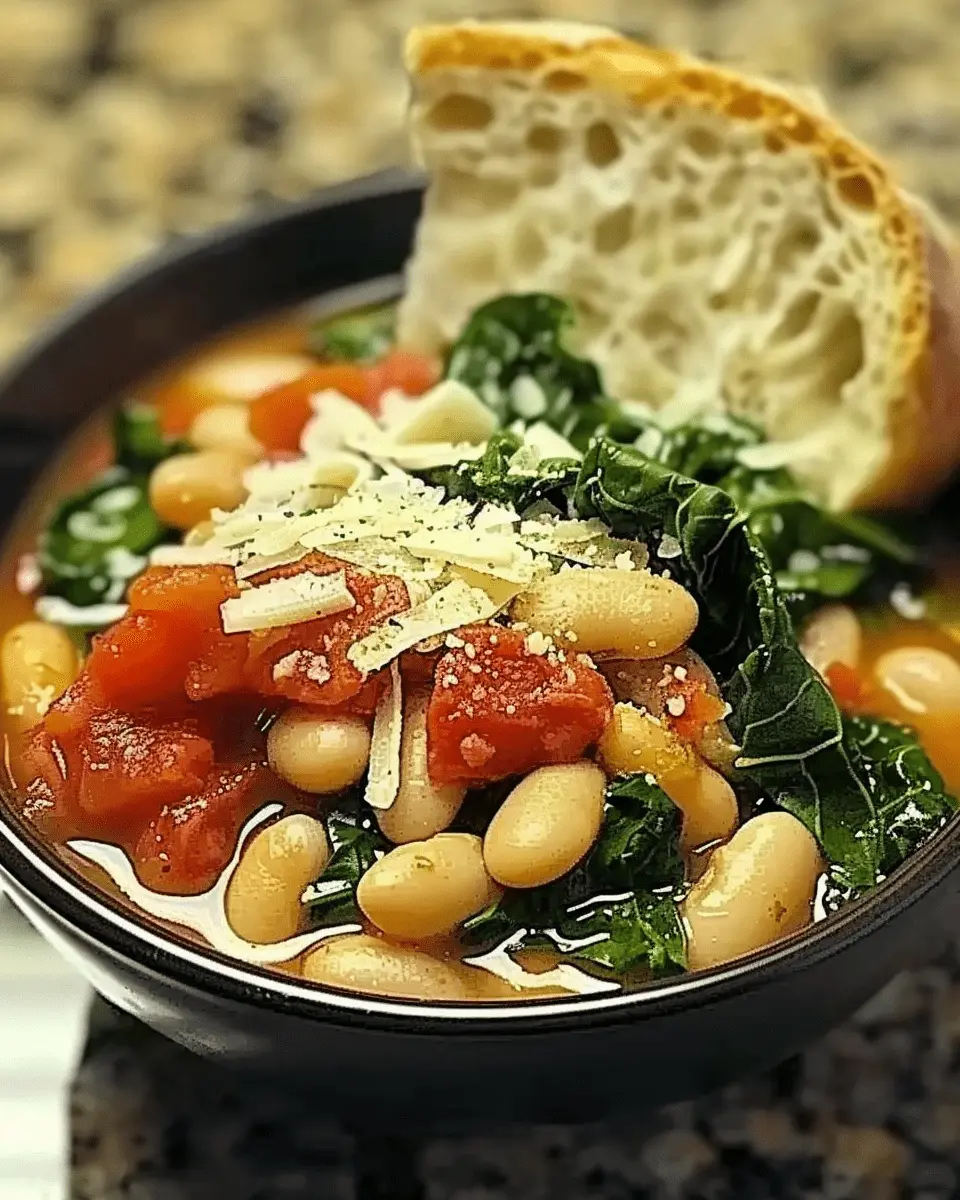
Step-by-Step Cooking Instructions of Mediterranean White Beans and Greens
-
Sauté Aromatics:
-
Heat olive oil in a skillet over medium heat.
-
Add minced garlic, diced onion, and red pepper flakes.
-
Cook for about 3 minutes until fragrant and onions are translucent.
-
-
Simmer Tomatoes and Herbs:
-
Add diced tomatoes, dried oregano, basil, salt, and black pepper to the skillet.
-
Stir well and let it simmer for 5 minutes, allowing the flavors to meld.
-
-
Add Beans and Greens:
-
Stir in the rinsed cannellini beans and chopped escarole (or chosen greens).
-
Pour in vegetable broth or water to add moisture.
-
Cover the skillet and let it simmer for 10 minutes until the greens are wilted and tender.
-
-
Serve Hot:
-
Ladle the mixture into bowls.
-
Top with grated Parmigiano Reggiano.
-
Serve with crusty bread or mix into cooked ditalini pasta for a heartier meal.
-
Cooking Tips and Techniques
-
Layering Flavors: Sautéing aromatics like garlic and onion enhances the dish’s depth.
-
Seasoning Adjustments: Taste and adjust salt and pepper as needed to suit personal preferences.
-
Texture Preference: For a creamier consistency, mash some of the beans before adding the greens.
-
Using Fresh Herbs: Incorporate fresh basil or parsley at the end of cooking for added freshness.
Pairing and Serving Suggestions
-
Side Dishes: Pair with a light Mediterranean salad or roasted vegetables for a complete meal
-
Crusty Bread:
Mediterranean White Beans and Greens go perfectly with warm, crusty bread like sourdough or ciabatta. It helps soak up all the delicious, herb-infused tomato broth. -
Pasta Options:
Stir the mixture into short pasta like ditalini, orecchiette, or elbow macaroni for a comforting, filling meal that’s still plant-based. -
Wine Pairing:
A glass of light-bodied white wine like Pinot Grigio or a dry rosé complements the herbaceous and savory flavors of this dish beautifully. -
Make It a Spread:
Serve alongside other Mediterranean classics like hummus, olives, and marinated artichokes for a mezze-style meal.
Variations of Mediterranean White Beans and Greens Across the Region
Greek Version: Fasolada
-
Often called Greece’s national dish, Fasolada features white beans simmered with carrots, celery, and plenty of olive oil.
-
Typically more soup-like, it’s served with crusty bread and a drizzle of lemon juice.
Italian Version: Fagioli e Verdure
-
Italy’s take on Mediterranean White Beans and Greens may include rosemary, thyme, and seasonal veggies.
-
In some regions, it’s combined with pasta, making it very similar to pasta e fagioli.
Spanish Version: Cocido Montañés
-
A rustic stew from Northern Spain that pairs white beans with collard greens and sometimes sausage like chorizo.
-
Though meat-heavy, it can be adapted for vegetarians with smoked paprika and extra garlic for flavor.
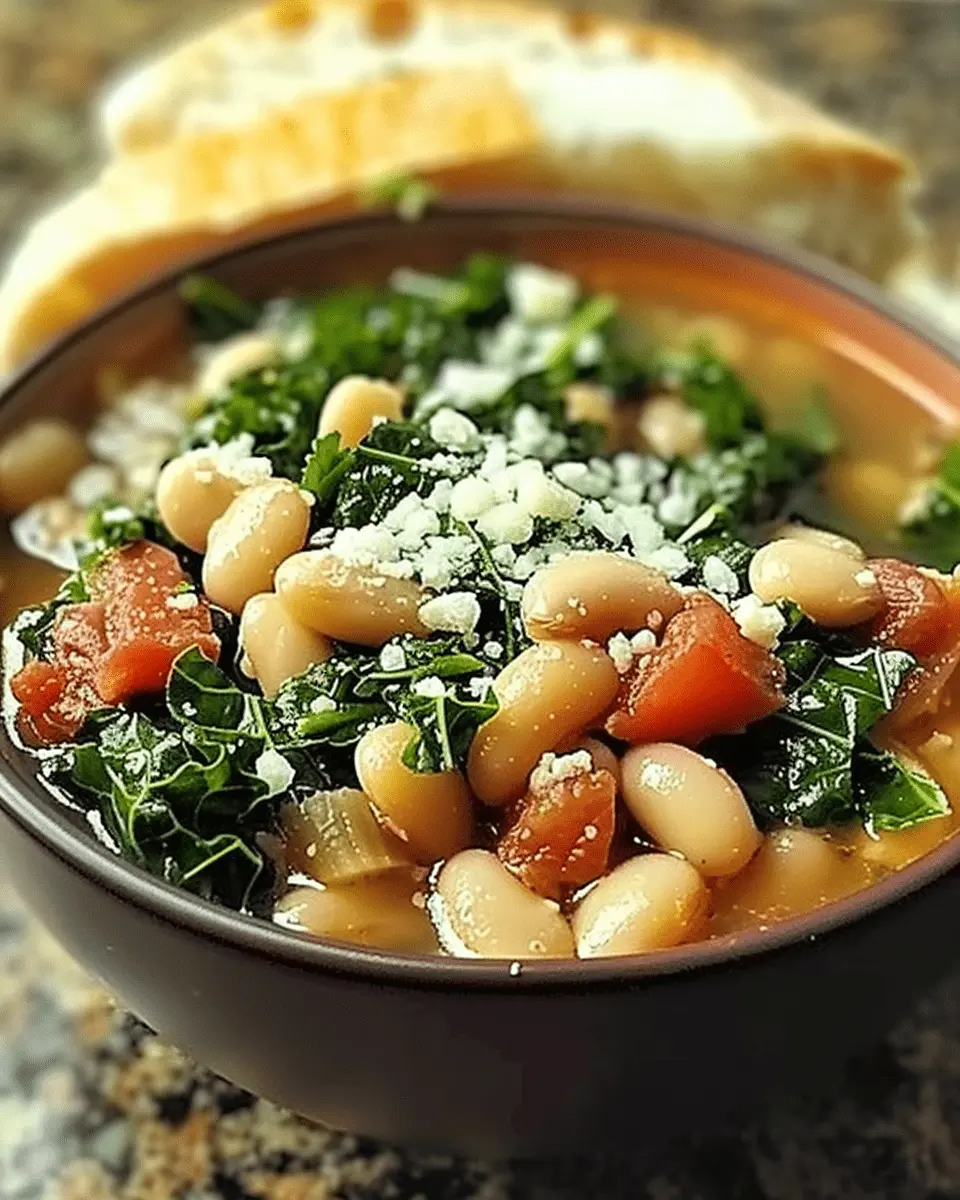
Mediterranean White Beans and Greens: Storage and Leftovers
-
Refrigeration:
Store leftovers in an airtight container in the fridge for up to 4 days. -
Freezing:
This dish freezes well. Let it cool completely, then freeze in individual portions for up to 2 months. -
Reheating:
Warm in a saucepan over low heat, adding a splash of water or broth to loosen the sauce. -
Batch Cooking Tip:
Double the recipe and portion into containers to have a meal-prepped, healthy lunch or dinner ready throughout the week.
FAQ about Mediterranean White Beans and Greens
Can I use dried beans instead of canned?
Yes! Soak 1 cup of dried cannellini beans overnight, then simmer until tender. This will give you more control over the texture and sodium levels.
How do I make Mediterranean White Beans and Greens in a slow cooker?
Sauté aromatics first, then combine all ingredients in a slow cooker. Cook on low for 6–8 hours or high for 3–4 hours. Add greens in the last 30 minutes so they don’t overcook.
Can I make this dish completely vegan?
Absolutely! Just skip the Parmigiano Reggiano or substitute with a sprinkle of nutritional yeast for that cheesy, umami flavor.
What other herbs can I use in Mediterranean White Beans and Greens?
Try adding thyme, rosemary, parsley, or even a touch of sage for extra depth. Fresh herbs can be stirred in right before serving for a fresh pop of flavor.
Conclusion : Mediterranean White Beans and Greens
Mediterranean White Beans and Greens is more than just a cozy comfort food it’s a celebration of simplicity, flavor, and nutrition. Rooted in the time-honored traditions of the Mediterranean, this dish brings together the best of humble ingredients: protein-packed white beans, nutrient-rich greens, and a fragrant tomato-herb base that warms the soul.
It’s easy to make, endlessly adaptable, and perfect for any season. Whether you enjoy it as a light lunch, a hearty dinner, or as part of a Mediterranean-style spread, it’s a recipe you’ll return to again and again.
So next time you’re craving something warm, wholesome, and totally satisfying, grab a can of white beans, a bunch of greens, and get cooking! You’ll love how it comes together quickly, fills your kitchen with incredible aromas, and leaves you feeling nourished without any heaviness. Pair it with your favorite bread or pasta, share it with loved ones, or save leftovers for a comforting lunch the next day. However you enjoy it, this dish is proof that healthy eating doesn’t have to be complicated it just has to come from the heart, like all the best Mediterranean recipes do.
Print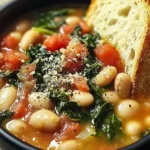
Mediterranean White Beans and Greens
- Total Time: 30 minutes
- Yield: #
Description
Warm, hearty, and full of earthy herbs this cozy, rustic dish brings the comfort of traditional Mediterranean kitchens straight to your table. It’s nutritious, versatile, and comes together with pantry staples like olive oil, garlic, canned beans, and leafy greens. Whether you enjoy it with a slice of crusty bread or stir it into tender pasta, this recipe is a nourishing hug in a bowl.
Ingredients
-
3 garlic cloves, minced
-
1 small yellow onion, diced
-
½ teaspoon red pepper flakes (optional, for a bit of heat)
-
1 can (14 oz) diced tomatoes, undrained
-
½ teaspoon dried oregano
-
½ teaspoon dried basil
-
½ teaspoon sea salt
-
¼ teaspoon freshly ground black pepper
-
2 cans (15 oz each) cannellini beans, drained and rinsed
-
1 small head escarole, chopped (or use fresh spinach or kale as alternatives)
-
¼ cup vegetable broth or water (to steam and soften greens)
-
Grated Parmigiano Reggiano, for topping (optional but highly recommended)
-
Crusty bread or cooked ditalini pasta, for serving (optional but makes it a complete meal)
2 tablespoons extra virgin olive oil
Instructions
Start by heating 2 tablespoons of olive oil in a large skillet or sauté pan over medium heat. Once the oil shimmers, add the minced garlic, diced onion, and red pepper flakes. Stir frequently and sauté for about 3 minutes, or until the garlic is golden and the onion becomes soft and translucent. This fragrant base creates the flavor foundation for the dish and infuses the oil with richness.
Pour in the can of diced tomatoes with their juices. Stir well, then sprinkle in the dried oregano, dried basil, salt, and black pepper. Mix everything together and let it simmer for about 5 minutes, stirring occasionally. This step helps the herbs bloom and allows the tomatoes to reduce slightly, deepening the sauce’s flavor and consistency.
Once the tomato mixture has simmered and thickened slightly, stir in the drained and rinsed cannellini beans. Next, add the chopped escarole (or your choice of greens) and pour in the vegetable broth or water. Stir everything together and then cover the pan with a lid. Let it simmer on medium-low heat for about 10 minutes, or until the greens are wilted and tender. The beans will absorb the herbed tomato flavor, and the greens will mellow into a soft, silky texture.
Uncover the pan, give everything a good stir, and taste for seasoning. Add more salt or pepper if needed. If you’d like a slightly thicker consistency, you can mash a few of the beans with the back of a spoon and stir them in.
Spoon the warm, aromatic mixture into bowls. Top generously with grated Parmigiano Reggiano, allowing the heat to slightly melt the cheese into the beans and sauce. Serve alongside slices of crusty bread to soak up all that goodness—or mix into freshly cooked ditalini pasta for a heartier experience. Garnish with extra olive oil or fresh herbs, if desired.
Notes
-
This recipe is highly adaptable. Swap in other leafy greens like kale, Swiss chard, or spinach depending on what’s in season or available.
-
Want to make it vegan? Simply skip the Parmigiano or replace it with nutritional yeast for a cheesy, dairy-free option.
-
For a thicker stew-like texture, allow the mixture to simmer uncovered for the last few minutes.
-
Leftovers are even better the next day as the flavors continue to develop in the fridge.
-
To make it a more filling main course, stir in cooked quinoa, brown rice, or pasta.
- Prep Time: 10 minutes
- Cook Time: 20 minutes
- Category: Dinner
Nutrition
- Calories: 310 kcal
- Sodium: 620mg
- Protein: 14g
Keywords: #