

As Easter approaches, many of us begin to think about how to celebrate this wonderful season of renewal and joy. One delicious way to do so is by preparing Italian Pigna di Pasqua, or Easter Cake—a traditional treat that warms the hearts and fills the homes of families across Italy. This light and fragrant cake is perfect for gathering around the table with loved ones, infused with exquisite flavors of citrus, anise, and a hint of vanilla. The beauty of this cake lies not only in its delightful taste but also in its artistic presentation that typically embodies the cheerful spirit of Easter. Whether it’s a festive brunch, a sweet addition to your dessert table, or simply a treat to enjoy with coffee, the Italian Pigna di Pasqua is bound to be a hit this holiday season.

Ingredients
- 4 cups all-purpose flour
- 1/2 cup granulated sugar
- 1/2 cup whole milk, warm
- 1/4 cup unsalted butter, melted
- 3 large eggs
- 1 tbsp active dry yeast
- 1 tsp anise seeds or 1 tbsp anise liqueur
- Zest of 1 lemon
- Zest of 1 orange
- 1 tsp vanilla extract
- 1/4 tsp salt
Instructions
To start making your Italian Pigna di Pasqua, begin by activating the yeast. In a medium mixing bowl, combine the warm milk, granulated sugar, and active dry yeast. Allow this concoction to rest for about 10 minutes, or until it becomes frothy—this indicates that the yeast is alive and ready to work its magic.
While waiting for the yeast to activate, take a large mixing bowl and whisk together the all-purpose flour, remaining sugar, salt, lemon zest, orange zest, and anise seeds. In a separate bowl, whisk the eggs, melted butter, and vanilla extract until well combined. Once your yeast mixture is frothy, add it to the bowl with the eggs and buttery mixture.
Stir everything together until well incorporated. Gradually incorporate the dry ingredients from the first bowl into the wet mixture to form a soft dough. When your dough is formed, it’s time to get hands-on! Knead the dough on a floured surface for about 10 minutes, or until it becomes smooth and elastic.
Once kneaded, place the dough into a greased bowl, cover it with a clean kitchen towel, and set it in a warm area to rise. You will want it to rise for approximately 2-3 hours, or until it has doubled in size. The warm environment allows the yeast to produce carbon dioxide, forming those lovely bubbles in the dough.
After the rising period, gently punch down the dough to release any air that has built up. Shape the dough into a round loaf and position it in a greased round cake pan. Cover once more and let it rise for an additional hour. While you wait, preheat your oven to 350°F (175°C).
After the second proofing is done, take a beaten egg and gently brush it over the top of the dough, giving it a lovely golden glaze when baked. Place the pan into your preheated oven and bake for 35-40 minutes. The cake is done when it’s golden brown, and a skewer inserted into the center comes out clean.
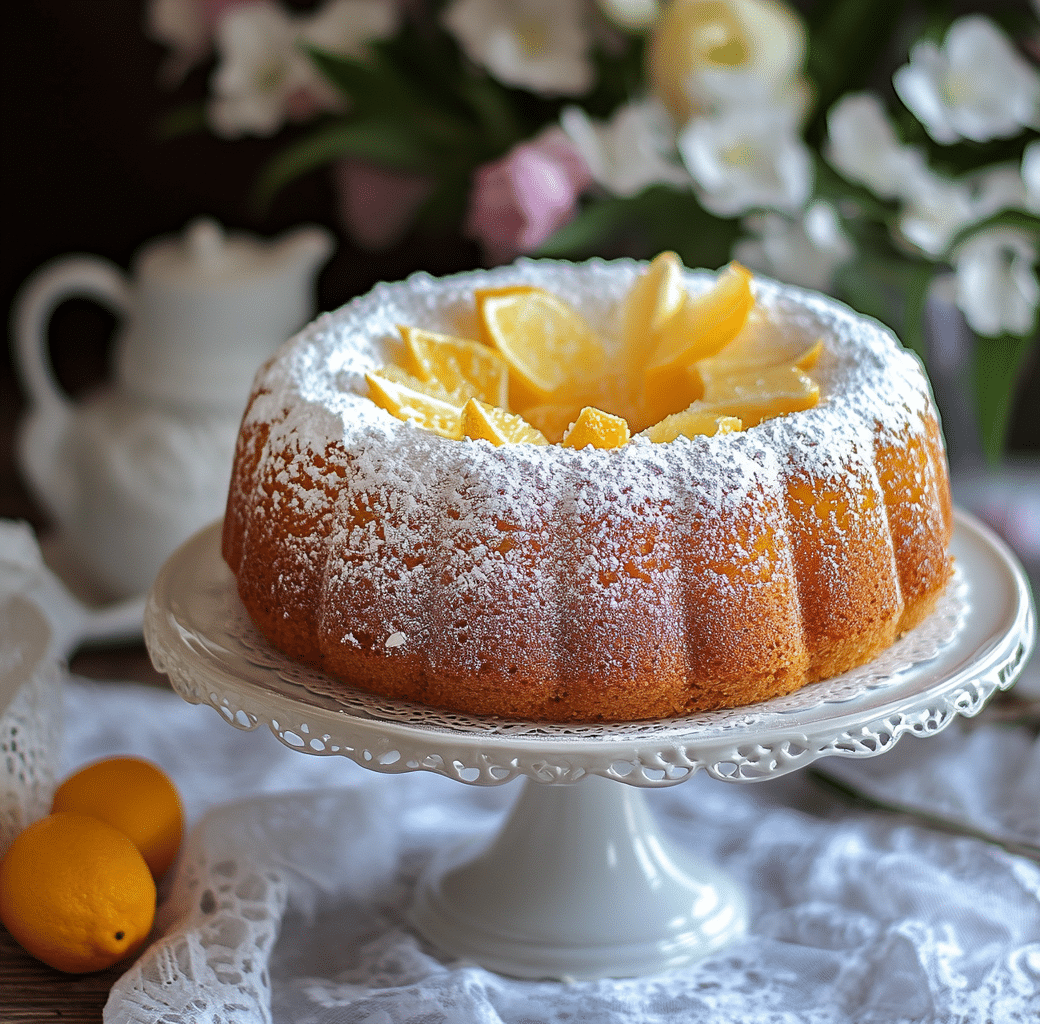
Once baked, remove the cake from the oven and allow it to cool completely on a wire rack. When you’re ready to serve, give it a light dusting of powdered sugar for an inviting finish.

Variations
The Italian Pigna di Pasqua recipe is wonderfully flexible, allowing for various tweaks and adaptations to suit your palate. For a different flavor profile, consider adding some finely chopped dried fruits like raisins or golden sultanas to the dough. These can add a burst of sweetness and texture, making your cake even more enjoyable.
If you prefer not to use anise seeds, you can replace them with anise liqueur for a slightly more potent flavor or even use fennel seeds for a more unique twist. A light glaze made from orange juice and powdered sugar can also be drizzled over the cooled cake for added sweetness and to enhance the citrus notes.
Vegans can enjoy a plant-based version of this cake by substituting eggs with flaxseed meal or a store-bought egg replacer, using almond milk instead of whole milk, and coconut oil instead of butter. This way, everyone can share in the joy of this traditional treat!
Cooking Notes
When it comes to baking the perfect Italian Pigna di Pasqua, timing and temperature are key factors. Kneading enough is vital—aim for a smooth and elastic dough that springs back when poked. If the dough feels too sticky, avoid adding too much extra flour; instead, allow it to rise a bit longer to develop its structure.
Using a thermometer to ensure your milk is warm (but not too hot) can prevent killing the yeast. Ideally, the milk should be between 100°F to 110°F for optimal yeast activation. Patience is also crucial during the rising phases—making sure it doubles in size can determine the final texture and flavor of your Easter cake.
Lastly, investing in a good quality round cake pan will guarantee even baking, while a baking stone can help maintain a consistent temperature throughout the baking process.
Serving Suggestions
Italian Pigna di Pasqua is delicious served simply with a dusting of powdered sugar, but there are many ways to elevate your presentation. You might consider serving this festive cake with a side of fresh fruit, such as strawberries or citrus segments, to add vibrancy to your plate.
Pair it with coffee or a light tea for a delightful afternoon snack. For a special touch, why not serve it alongside a scoop of vanilla ice cream or a dollop of whipped cream? This adds a slice of indulgence to your Easter dessert table!
Tips
- Use high-quality ingredients for the best flavor.
- Ensure your yeast is fresh for proper activation.
- Let the cake cool completely before slicing for the best texture.
- Try different flavoring options for a personalized touch.
- Don’t rush the rising time; it’s worth the wait!
Prep Time, Cook Time, Total Time
Prep Time: 1 hour
Cook Time: 35-40 minutes
Total Time: 3.5–4 hours (including rising time)
Nutritional Information
Calories: Approximately 250 per slice
Protein: 6g
Sodium: 150mg
FAQs
Can I make this cake ahead of time?
Yes, you can make Italian Pigna di Pasqua a day in advance. Store it in an airtight container to keep it fresh. Leave the powdered sugar off until ready to serve to ensure it looks its best.
What can I substitute for anise flavor?
If you don’t have anise seeds on hand, you can use fennel seeds, or simply omit them and enhance the citrus flavor by adding more zest.
Can I freeze leftovers?
Certainly! Wrap the cooled cake tightly in plastic wrap and place it in a freezer-safe bag. It can last up to a month in the freezer.
Is it possible to bake this in a different shaped pan?
Absolutely! You can bake this cake in a loaf pan or even as cupcakes. Just adjust the baking time accordingly—cupcakes might need about 20-25 minutes.
What drinks pair well with Pigna di Pasqua?
This cake pairs beautifully with coffee, espresso, or a sweet dessert wine, enhancing the flavors of the cake while offering a delightful contrast.
Conclusion
Italian Pigna di Pasqua is a delightful addition to any Easter celebration, evoking feelings of warmth, family, and togetherness. Its unique flavors and beautiful presentation make it a standout dessert that’s easy to prepare yet impressive enough to serve at any gathering. Whether you’re an experienced baker or trying your hand at baking for the first time, this cake will surely be a showstopper. As we share our meals and stories around the table, let this cake be a sweet reminder of the joy of connecting with loved ones. After trying this recipe, we would love to hear about your baking experience! Share your thoughts and variations in the comments below, and don’t forget to share the joy by passing this recipe on to friends and family. Happy baking!
Print
Italian Pigna di Pasqua
- Total Time: 3.5–4 hours (including rising time)
- Yield: 12 servings 1x
Description
A light and fragrant Easter cake with exquisite flavors of citrus and anise.
Ingredients
- 4 cups all-purpose flour
- 1/2 cup granulated sugar
- 1/2 cup whole milk, warm
- 1/4 cup unsalted butter, melted
- 3 large eggs
- 1 tbsp active dry yeast
- 1 tsp anise seeds or 1 tbsp anise liqueur
- Zest of 1 lemon
- Zest of 1 orange
- 1 tsp vanilla extract
- 1/4 tsp salt
Instructions
- Activate the yeast by combining warm milk, sugar, and yeast. Let it sit for 10 minutes.
- Mix flour, remaining sugar, salt, lemon zest, orange zest, and anise seeds in another bowl.
- Whisk eggs, melted butter, and vanilla extract in a separate bowl, then add the yeast mixture.
- Combine wet and dry ingredients to form a soft dough and knead for 10 minutes.
- Place dough in a greased bowl, cover, and let it rise in a warm area for 2-3 hours.
- Punch down the dough, shape it into a loaf, and place it in a greased round pan. Let it rise for 1 more hour.
- Preheat the oven to 350°F (175°C). Brush the dough with a beaten egg.
- Bake for 35-40 minutes until golden brown and a skewer comes out clean.
- Allow the cake to cool completely and dust with powdered sugar before serving.
Notes
Store in an airtight container to keep it fresh.
- Prep Time: 1 hour
- Cook Time: 35-40 minutes
- Category: Dessert
Nutrition
- Calories: 250 kcal per slice
- Sodium: 150 mg
- Protein: 6 g